Meme Insider
Hey, if you've ever scratched your head wondering why every car on the road these days feels like a mini-tank, you're not alone. Vitalik Buterin, the Ethereum co-founder who's as sharp on policy as he is on blockchain, just dropped a thread that's got everyone talking. In a reply to a viral post about how U.S. fuel economy standards accidentally turned sedans into an endangered species, Vitalik cuts straight to the chase: our political systems are a mess of overcomplicated rules that scream "game me." And honestly? He's spot on.
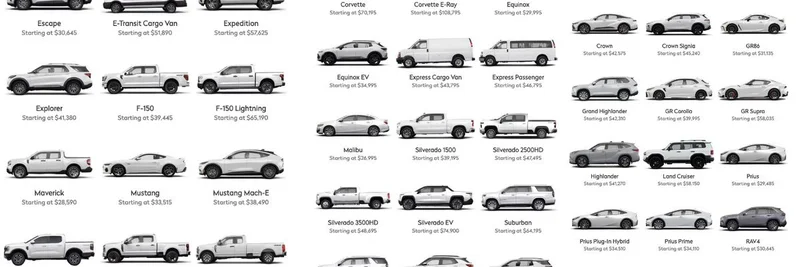
Let's rewind a bit. The original post Vitalik quoted lays it out with charts that hit like a gut punch. Back in the Obama era, the government tweaked the Corporate Average Fuel Economy (CAFE) standards to push for greener cars. Sounds good, right? Tie efficiency targets to vehicle size, make bigger cars easier to comply with, and reclassify crossovers as "light trucks" for looser rules. Except... plot twist. Automakers didn't innovate their way to efficiency. They just supersized everything.
Take the Honda Civic: it's now the length of an old Accord, all to nudge into a friendlier regulatory bucket. Small, zippy cars like the Honda Fit? Poof—discontinued because hitting absurd MPG targets like 67 by 2026 was a non-starter. The result? A sea of SUVs and crossovers (only 6% sedans among major U.S. brands now, versus 50% two decades ago). It's a classic case of good intentions paving a road to... well, gridlock.
Enter Vitalik, dropping this gem on December 5, 2025: "The fact that we have political systems that do byzantine things like this instead of just charging a basic tax per litre of fuel to account for environmental costs (or even mileage * weight^4 for wear and tear) in a consistent way continues to frustrate me."
Boom. No fluff, just frustration with a side of genius. Vitalik's beef isn't just with cars—it's a broader jab at how governments meddle. He argues that when tackling externalities (think pollution or road damage that we all pay for indirectly), policy should set the what and why, not dictate the how. A simple fuel tax? It tells drivers: "Burn more gas, pay more—figure out the rest." Add a mileage-times-weight-to-the-fourth tax for infrastructure wear, and you've got a system that's fair, consistent, and lets markets do their thing.
Why does this matter? Because prescriptive rules—like those CAFE tweaks—are intrusive and ripe for gaming. Automakers gamed the footprint loophole, consumers got bigger (less efficient) rides, and the planet? Still waiting on real progress. Vitalik's alternative flips the script: transparent pricing on real costs empowers innovation. Electric vehicles like the Chevy Bolt thrive not because of loopholes, but because they actually solve the problem.
As a blockchain guy, Vitalik's no stranger to designing systems that resist gaming—Ethereum's proof-of-stake upgrade was all about aligning incentives without micromanaging nodes. It's the same vibe here: trust the market (or the network) to optimize once you've priced the trade-offs right. And yeah, it's frustrating that we're stuck in this regulatory loop, but threads like this remind us change starts with calling it out.
What do you think—could a straightforward tax shake up the auto industry more than endless rule tweaks? Drop your takes in the comments. If Vitalik's onto something (and he usually is), this could spark the kind of policy rethink that ripples from Detroit to decentralized finance.