 Meme Insider
Ethereum's co-founder, Vitalik Buterin, is no stranger to making waves in the crypto world. Recently, he caught everyone's attention by sending a hefty 1,000 ETH—valued at around $2.9 million—into Railgun, a privacy-focused protocol built on Ethereum. This move was first spotlighted by blockchain analytics firm Arkham Intelligence on X (formerly Twitter), and it quickly sparked discussions across the community.
For those new to the space, Railgun is essentially a tool that lets users conduct private transactions on public blockchains like Ethereum. Think of it as a mixer that shields your wallet activity from prying eyes, using zero-knowledge proofs to keep things confidential without compromising the network's security. In a world where every transaction is publicly visible on the blockchain, privacy protocols like Railgun are crucial for protecting users from targeted hacks, front-running by bots, or even regulatory scrutiny.
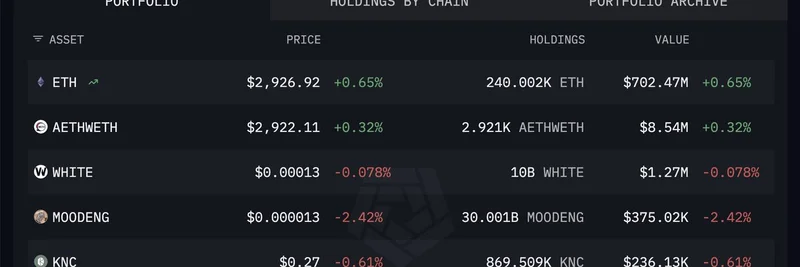
But why would Vitalik, who holds over $700 million in ETH, dip into Railgun now? The tweet from Arkham asks the burning question: "What is he cooking?" While Vitalik hasn't publicly commented on this specific transfer, his history suggests it could be part of ongoing experiments with privacy tech. He's been a vocal advocate for improving Ethereum's scalability and privacy, often testing protocols firsthand to highlight their potential.
This transaction comes at an interesting time for the meme coin sector. Meme tokens, known for their viral hype and rapid price swings, thrive on community momentum but are vulnerable to on-chain transparency. Traders often get sniped by MEV (Miner Extractable Value) bots that spot large buys or sells and front-run them, driving up costs. Privacy tools like Railgun could level the playing field, allowing meme coin enthusiasts to accumulate positions discreetly or shield their strategies from competitors.
Take a look at the original post from Arkham on X, which includes detailed on-chain visuals of the transfer. Following that, crypto commentator MartyParty shared a clip summarizing the event, emphasizing Railgun's role as a key privacy player. The thread has garnered thousands of views, with replies ranging from speculation about Vitalik's next big project to calls for more widespread adoption of privacy features in DeFi.
In the broader context, this could signal a shift toward more privacy-centric narratives in crypto. With regulators worldwide ramping up KYC (Know Your Customer) requirements, projects like Railgun offer a counterbalance, enabling compliant yet private interactions. For meme token creators and holders, integrating such tech could mean safer launches and reduced risks from wallet trackers.
If you're diving into meme coins, keeping an eye on privacy protocols is smart. Railgun's native token, $RAIL, might see renewed interest as a result—it's already being discussed in threads about upcoming wallet integrations, like the Kohaku wallet demo at Devconnect Argentina. Whether this is Vitalik testing the waters or hinting at bigger developments, one thing's clear: privacy is becoming a must-have in the evolving blockchain landscape.
Stay tuned to Meme Insider for more updates on how moves like this impact the meme token world. If you've got thoughts on Vitalik's transfer, drop them in the comments below!