Meme Insider
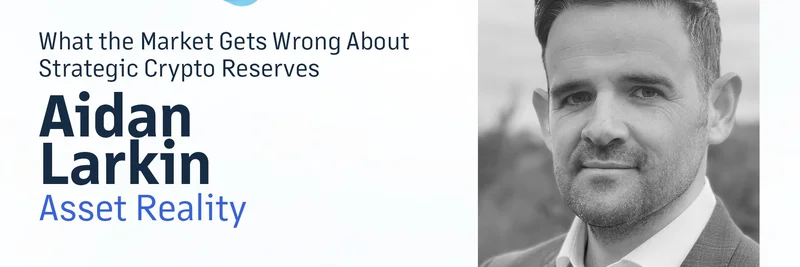
In the fast-paced world of crypto, where meme tokens can skyrocket or crash based on a single tweet, understanding the bigger picture is crucial. Recently, a post from the Digital Asset Summit 2025 (tweet here) caught our eye. It features Aidan Larkin, co-founder and CEO of Asset Reality, delivering a talk that cuts through the noise around government seizures of crypto assets. With recent headlines about the US and UK seizing billions in Bitcoin, Larkin's insights couldn't be more timely—especially for those of us riding the meme coin waves.
Busting Myths on Seizures and Reserves
Larkin kicks off by addressing the elephant in the room: the massive seizures making waves in the market. Just yesterday, the FBI announced a whopping 127,000 Bitcoin haul—valued at around $15 billion—hot on the heels of the UK's $6 billion seizure. But here's where the market often trips up: these aren't just free assets for governments to hoard or dump at will. Larkin, drawing from his background as a former UK seized asset manager, explains that seizures are just the start of a long, procedural journey.
Think of it like this—seizing crypto is akin to freezing assets in a criminal case. Governments can't simply decide to hold onto them for a strategic reserve without jumping through legal hoops. In fact, most jurisdictions are legally bound to sell these assets once forfeited, often after years of court battles. Larkin points out that the German government's much-memed sale of Bitcoin at $50,000 wasn't a blunder; it was mandatory under their laws. No choice, no regrets—just procedure.
For meme token enthusiasts, this matters because government sales can trigger market dips, creating buying opportunities or panic sells. Remember those hilarious memes roasting Germany for "paper hands"? Larkin says they're funny but miss the point: these sales are pre-planned and often executed stealthily to minimize market impact.
The Asset Recovery Lifecycle Explained
Breaking it down simply, Larkin walks through the seized asset lifecycle. It starts with investigation and seizure, moves to custody and management (which can last 6-7 years on average), and ends with forfeiture and realization. Crypto adds a twist—thanks to blockchain transparency and tools like stablecoins, recovering assets can be faster than traditional ones. For instance, in the Wormhole exploit, $400 million was clawed back in hours via decentralized protocols.
But here's a key takeaway: strategic reserves aren't a quick fix. Even with billions seized, assets must be fully forfeited before entering a reserve. Larkin notes that proposals like the US's potential reserve would require legislative changes. Other countries, like Sweden, are following suit, but it's all about final ownership transfer, not just custody.
In the meme space, this could mean less immediate dumping pressure than feared. If reserves become a thing, governments might hold rather than sell, stabilizing prices and giving meme coins more room to breathe amid volatility.
Implications for Crypto and Meme Tokens
Larkin emphasizes that crypto is now the top category in asset recovery, dwarfing cash or cars. With estimates from Chainalysis pegging $75 billion in potentially seizable crypto, the sector is booming. But misinformation abounds—letters urging the US not to sell low ignore the rigid processes in place.
For blockchain practitioners and meme traders, this talk is a reminder to look beyond headlines. Government actions aren't always market manipulation; they're often bureaucratic necessities. As meme coins thrive on sentiment, understanding these dynamics can help you navigate pumps and dumps tied to seizure news.
Larkin wraps up by highlighting the need for better infrastructure, like what Asset Reality is building, to manage these assets securely. With corruption risks and technical pitfalls (think address poisoning or lost keys), professional handling is key.
If you're deep in meme tokens, keep an eye on these developments. Strategic reserves could shift the narrative from "governments vs. crypto" to a more integrated future, potentially boosting adoption and reducing fear-driven sells.
Stay informed, and remember: in crypto, knowledge is your best HODL strategy. For more on how real-world events shape meme markets, check out our latest blockchain news.