 Meme Insider

In the fast-paced world of crypto, where memes can moon or rug in minutes, it's easy to get swept up in the endless chatter on platforms like X (formerly Twitter). But according to Mark Tyneway, cofounder of Optimism and OP Labs, the true edge—or "alpha"—lies not in viral threads or influencer takes, but directly on the blockchain itself.
Tyneway recently amplified this message by quoting a clip from The Rollup podcast, where he was interviewed live from Devconnect. In the video, he discusses successful Ethereum Layer 2 roll-ups on the Superchain, like Base, World, and Unichain. These are essentially scaling solutions that make transactions faster and cheaper on Ethereum, which is crucial for meme token ecosystems that thrive on low fees and high volume.
What stands out is Tyneway's no-nonsense advice: "The data is all on chain... that's what I love about this industry. You can just go poke around and see what's happening. Don't listen to everyone talking on X. Look onChain, that's where real alpha is." He follows up in his own post with a stark warning: "The real alpha is onchain. Any layers of interpretation between you and the chain state will be used against you."
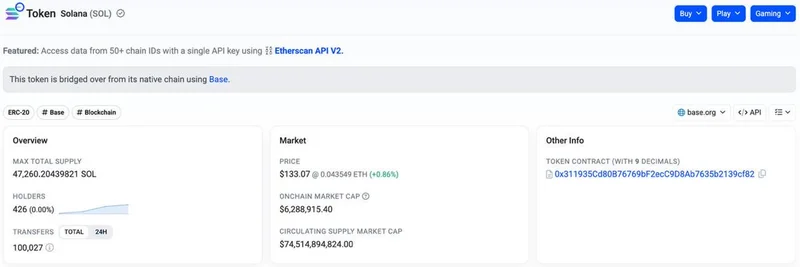
For those new to the term, "onchain" refers to data and transactions recorded directly on the blockchain—think smart contract interactions, token transfers, and wallet activities. Unlike social media narratives, which can be manipulated or based on incomplete info, onchain data is transparent and verifiable. Tools like Etherscan or Dune Analytics let anyone query this info without needing permission.
This insight hits home for meme token enthusiasts. Meme coins, often launched on platforms like Base (part of Optimism's Superchain), live and die by community hype. But savvy traders know that checking onchain metrics—such as holder distribution, liquidity pools, or unusual wallet movements—can reveal if a project is genuinely buzzing or just astroturfed. For instance, a sudden spike in transactions might signal real adoption, while a concentrated token supply could hint at a potential dump.
Tyneway's point about "layers of interpretation" is spot-on in the meme space. Social media can amplify FOMO (fear of missing out) through paid promotions or bot-driven engagement, leading to poor decisions. By cutting through the noise and going straight to the source, you arm yourself against misinformation. As one reply to his post put it: "Once you start reading the chain for yourself, everything gets clearer."
Optimism's Superchain vision further ties into this. It's an interconnected network of L2 chains sharing security and tech from Ethereum, making it easier to build and scale apps—including those wild meme experiments. Projects like Unichain, which Tyneway notes as a paying customer, demonstrate how real-world adoption is happening quietly onchain, away from the Twitter spotlight.
If you're diving into meme tokens, take this as a call to level up your skills. Start with basic onchain analysis: track a token's smart contract on Etherscan, visualize data on Dune, or even use bots to monitor whale movements. It's not just about finding the next 100x gem; it's about building a sustainable edge in a market full of mirages.
In an industry where transparency is the ultimate superpower, Tyneway's reminder couldn't be timelier. Next time you're scrolling through crypto Twitter, pause and ask: What's the chain saying?