Meme Insider

Hey folks, if you've been keeping an eye on the blockchain world, you've probably heard the buzz around Solana. But let's cut through the noise: it's not just hype. Adoption is going absolutely parabolic, and that’s about to change everything. I came across this eye-opening thread from Marino on X, a DeFi growth expert and Solana investor, and it blew my mind. He breaks down why Solana isn't just competing—it's straight-up dominating. As someone who's covered crypto from the front lines at CoinDesk and now digs into the wild world of meme tokens here at Meme Insider, I had to unpack this for you. Even if memes are our jam, understanding the rails they run on—like Solana—can supercharge your blockchain game.
Let's dive in, thread-style, but with a bit more context for those new to the space.
Solana's Quiet Domination: Real Adoption, Not Just Talk
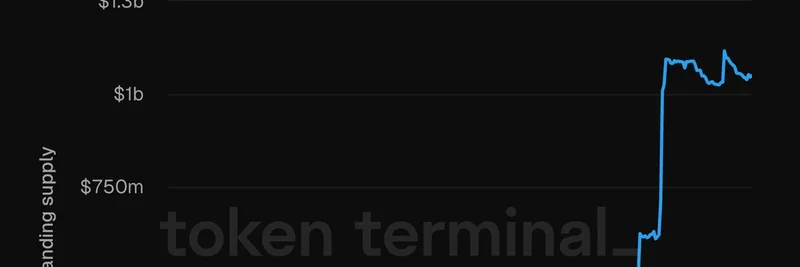
Marino kicks off by highlighting how Solana is becoming the go-to chain for big-money moves. We're talking tokenized treasuries—that's when real-world assets like U.S. Treasury bonds get wrapped in blockchain for easy, efficient trading. Heavy hitters like Ondo Finance, Franklin Templeton, and OpenEden are deploying over $20 billion on Solana. Why? Because it offers real yield—actual returns backed by assets, not some speculative pump.
Then there's the stablecoin supremacy. Solana leads in daily transfers for USDC, PYUSD from PayPal, and USDT. It settles more volume than all Ethereum Layer 2s combined, with higher "velocity"—meaning the money moves faster and more often. Simple explanation: Stablecoins are digital dollars on the blockchain, and Solana's speed and low fees make it the highway everyone wants to use.
Don't sleep on the ETFs either. Since October 2025, Solana ETFs have pulled in over $476 million in inflows. That's institutional cash—think pension funds and hedge funds—treating $SOL like a must-have index play. And payments? Giants like Visa, PayPal, Shopify, and Western Union are integrating Solana to settle billions in transactions. These aren't pilot projects; they're live rails moving real money.
In short, Solana isn't chasing narratives—it's building the infrastructure where the action happens.
The Flywheel Effect: How Usage Turns into Unstoppable Momentum
Here's where it gets exciting: Solana's got this self-reinforcing loop, or "flywheel," that's hard to beat. Low fees (we're talking pennies per transaction) plus blazing speed equal real usage. Not fake testnet demos, but actual flows of capital at scale. Institutions don't chase memes—they follow where the money's already working.
That usage attracts more capital: Real-world assets (RWAs), funds, and payments bring sticky liquidity—money that sticks around, not the hit-and-run yield farming we see in hype cycles. As more capital pours in, it supercharges network effects: better tools for developers, deeper liquidity pools, and more builders flocking to the ecosystem. And guess what? Every bit of that value accrues back to $SOL holders through validator rewards and staking.
It's like a snowball rolling downhill—quiet at first, but unstoppable once it picks up speed. For meme token enthusiasts, this means more liquidity and faster trades when your favorite frog or dog coin launches on Solana.
Breakpoint 2025: The Catalyst That Could Ignite It All
Marino points to Breakpoint 2025, Solana's flagship conference, as the spark. This year's theme? Revenue & Returns. Expect banks, funds, and RWA platforms to show up in force, chasing real profitability. We're already seeing BlackRock and Fidelity scaling on-chain funds, with the world's biggest asset managers ready to amplify Solana's economy.
Banks are demoing live on-chain treasury operations—not hypotheticals, but happening now. And with Visa and PayPal settling over $10 billion monthly on Solana, payment giants are picking sides. Once they do, it becomes the default for the "internet of value"—that seamless web of money moving globally without borders or banks slowing it down.
Unlocking Real Value: From Price Support to Global Rails
So, what does this mean for value? First, capital migration provides rock-solid price support. Institutional flows are slow but massive and sticky—no rug pulls here. Stablecoins drive more network usage, meaning every transaction fees up validators and stakers. Higher throughput? More rewards for the ecosystem.
RWAs aren't just buzz—they're legitimacy. Billions in real-world money flowing onto your chain? That's not meme TVL; that's the future of finance docking at Solana's port. And payments? That's the gateway to everyday adoption. Imagine your next online shop or remittance zipping through Solana rails—consumer habits shift, and suddenly, this ecosystem is the default.
Wrapping It Up: Solana Didn't Win—It Became Inevitable
Marino nails it: Solana didn't snag a hot narrative; it became the only chain where real money actually works at scale. Institutions aren't dipping toes—they're diving in, migrating trillions in tokenized assets. The next wave? On-chain treasuries, payments, and even governance tools that make DAOs feel like Fortune 500 boards.
2026 could be the year the world plays catch-up. The flywheel's spinning, folks. Whether you're a DeFi degen, a meme trader, or just curious about blockchain's next leap, Solana's story is one to watch. What's your take—bullish on $SOL, or got eyes on another chain? Drop a comment below, and let's chat.
For more on how this ties into the meme token meta (because let's face it, Solana's meme scene is on fire), stick around at Meme Insider. We're building the ultimate knowledge base for blockchain pros and casuals alike.