 Meme Insider
In the world of social media, a well-crafted thread can spark real-world change, much like how a viral meme token can skyrocket in value overnight. Recently, YIMBYLAND's thread on X caught our eye here at Meme Insider. While it dives into urban planning and housing policy in San Francisco, the way it uses humor and memes to rally support echoes the strategies that make meme tokens thrive in the crypto space.
YIMBY, short for "Yes In My Backyard," is a movement advocating for more housing development to combat shortages and high prices. The opposite is NIMBY, or "Not In My Backyard," where locals resist new builds to preserve their neighborhoods. In this thread, YIMBYLAND quotes an economist frustrated that serious articles on redevelopment get few views, while "YIMBY shit posts" rack up hundreds of thousands. It's a classic case of virality trumping depth – sound familiar, meme token holders?
The core of the thread highlights how Bernal Heights in San Francisco dodged a major upzoning (that's rezoning land to allow taller, denser buildings) back in 2010 due to NIMBY pushback. Meanwhile, nearby areas like the Mission, Dogpatch, and Potrero Hill got the green light and saw thousands of new homes built. YIMBYLAND argues the math is straightforward: more density equals more housing, lower prices, and vibrant communities.
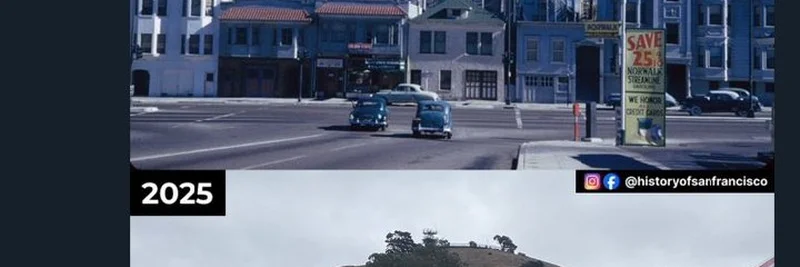
This meme from the quoted post pokes fun at San Francisco's NIMBYs for keeping things unchanged over decades, labeling them the "best to ever do it." It's satirical gold, showing a 1953 photo of a dense hillside versus a 2025 view that's barely evolved. In meme token terms, it's like comparing a stagnant altcoin to the explosive growth of something like Dogecoin – virality and community buy-in make all the difference.
Replies in the thread add flavor. One user notes that Bernal Heights groups are now begging for inclusion in the next upzoning round, a major shift. YIMBYLAND calls it a "major whitepill" (crypto slang for optimistic news) and links to a San Francisco Chronicle article detailing this turnaround.
According to the Chronicle, the group D9 Neighbors for Housing is pushing hard because Bernal is a "resource-rich" area with schools, parks, and a median home price of $1.7 million – but strict rules have kept new builds minimal, averaging just six units a year from 2008 to 2023. They argue this exclusivity drives out artists and working-class folks, creating "affordable housing segregation." As one member put it, "We are a rich enclave and we need to do our part."
This community-driven pivot mirrors how meme token projects succeed: start with hype, build a dedicated following, and push for adoption. Just as token communities lobby exchanges for listings or rally during dips, these neighborhood groups are organizing to "pump" their local housing supply.
Another reply shares a meme about a "Fix Everything Easily Switch," surrounded by excuses not to flip it – a perfect analogy for upzoning debates. People know density could solve housing woes, but fears of change hold them back.
In the blockchain world, meme tokens like PEPE or WIF often start as jokes but gain traction through social media buzz, turning into serious investments. Similarly, YIMBYLAND's "shit posts" might seem lighthearted, but they're educating and mobilizing people on complex issues. The thread's engagement – over 17,000 views and lively replies, including from crypto enthusiasts – shows how blending humor with facts can amplify a message.
For meme token creators, the lesson is clear: leverage platforms like X for viral threads that mix memes with substance. Build community consensus, address pushback head-on, and watch adoption grow. Whether it's housing policy or tokenomics, the power of a strong, engaged network can't be understated.
As San Francisco grapples with its housing crisis, aiming to add 36,000 new units under state mandates, stories like this remind us that change often starts with a tweet. If you're in the meme token game, take notes – your next pump might just come from a well-timed thread.