Meme Insider
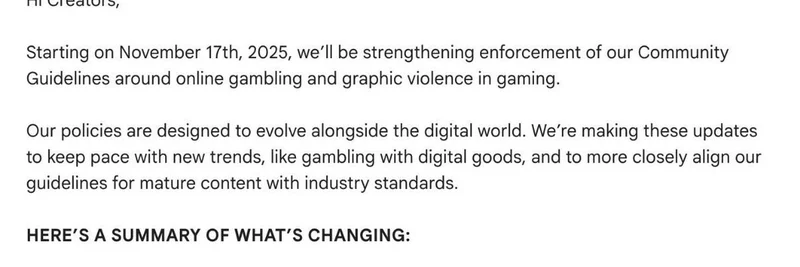
In the fast-paced world of crypto, where trends shift quicker than a meme token pump, a recent YouTube policy update is stirring up some serious buzz. Announced to kick in on November 17, 2025, this change tightens the reins on online gambling and graphic violence in gaming content. But here's the twist: it might actually be a massive win for genuine crypto creators. A viral tweet from @StarPlatinumSOL breaks it down, calling it outright bullish for the space. Let's dive in and see why this could reshape the creator landscape, especially for those in meme tokens and Web3.
Understanding YouTube's New Rules
YouTube's latest guidelines aim to evolve with the digital world, focusing on trends like gambling with digital goods. The policy now prohibits content that directs viewers to uncertified online gambling sites or apps. More importantly, it's expanding enforcement to include gambling involving items with real monetary value, such as video game skins, cosmetics, and even NFTs.
Social casino content—think games that mimic casinos but without real-world payouts—is also getting an update. Videos depicting or promoting these will now be age-restricted if they involve wagering virtual currency that can be cashed out or facilitate social casino sites.
This isn't about wiping out all gaming or crypto talk; it's targeting the gambling-heavy side. For context, YouTube's move aligns with broader industry standards for mature content, ensuring the platform stays family-friendly while adapting to new tech like blockchain.
The Viral Take: Bullish for Crypto Creators
Enter @StarPlatinumSOL, a thread writer and ambassador in the crypto space, who dropped a hot take on X that's got everyone nodding. They argue that the bans will mostly hit gambling and casino-related content, leaving room for crypto-focused creators in storytelling, gaming, NFTs, and Web3 marketing to thrive.
Why bullish? Two key reasons stand out:
Advantage on Platforms Like X: If YouTube starts demonetizing or banning gambling-centric creators, the demand for quality content on alternatives like X (formerly Twitter) will skyrocket. Active creators here could see their audiences explode as viewers migrate.
Filtering the Noise: This shake-up weeds out the "just gamblers" crowd, spotlighting builders who add real value. In the long run, authentic creators—those educating on blockchain tech or hyping meme tokens through clever narratives—stand to gain more recognition and rewards.
The tweet ends on a personal note: "Personally, this makes me want to start uploading videos again. Creator cycle my friend." It's a reminder that the creator economy in crypto is cyclical, and smart adapters win big.
How This Ties into Meme Tokens
Meme tokens, those viral coins often born from internet culture and community hype, walk a fine line between fun speculation and perceived gambling. But YouTube's policy could be a game-changer. Creators who focus on the storytelling aspect—like the lore behind a token, its community vibes, or Web3 integrations—won't feel the heat as much as those pushing pure bets.
Think about it: meme tokens thrive on engagement. If gambling content gets sidelined, there's more bandwidth for educational or entertaining videos on token launches, NFT drops, or blockchain innovations. This could lead to a renaissance in meme token marketing, where creators use platforms like X to build loyal followings without relying on YouTube's algorithms.
For blockchain practitioners eyeing meme tokens, this is a cue to level up. Dive into resources on meme token strategies or explore how NFTs fit into the mix. The shift emphasizes value over volatility, potentially stabilizing the space and attracting more serious investors.
What It Means for the Broader Crypto Ecosystem
Beyond memes, this policy nudge could accelerate the migration to decentralized platforms. Web3 creators might flock to blockchain-based social media or video hosting sites that don't impose such restrictions. It's a bullish signal for innovation in crypto content delivery, where ownership and censorship resistance take center stage.
Replies to the tweet echo this sentiment. One user notes, "X is going to be the main social for crypto," while another highlights the opportunities for "serious crypto creators." Even skeptics chime in, joking that "they don't [know] that whole crypto is gambling," but the consensus leans positive.
In essence, YouTube's update isn't a crackdown on crypto—it's a filter that rewards quality. For meme token enthusiasts and Web3 builders, it's time to double down on authentic content. Who knows? This could spark the next wave of creator-led pumps in the meme space.
Stay tuned to Meme Insider for more insights on how policies like this shape the meme token world. If you're a creator, what's your take—bullish or bearish? Drop your thoughts in the comments.