Meme Insider
If you've been scrolling through X lately, you might have caught wind of some chatter around Zcash, the privacy-focused cryptocurrency that's been a staple in the blockchain space since 2016. Key opinion leaders (KOLs) sparked a wave of fear, uncertainty, and doubt (FUD) about the network, but Zcash's CEO, Josh Swihart, isn't having it. In a no-nonsense post, he laid it out plain: "Some Zcash FUD on X today, largely triggered by KOLs. Overblown. Nothing changed, including the size of the shielded pool."
For those new to Zcash, let's break it down simply. Zcash uses zk-SNARKs—zero-knowledge proofs that let you prove transactions are valid without revealing details like sender, receiver, or amount. This "shielded" feature is what sets ZEC apart from transparent chains like Bitcoin. The shielded pool refers to the total amount of ZEC locked in these private transactions across different eras: Sprout (the original), Sapling (the upgraded standard), and Orchard (the latest iteration for even better efficiency).
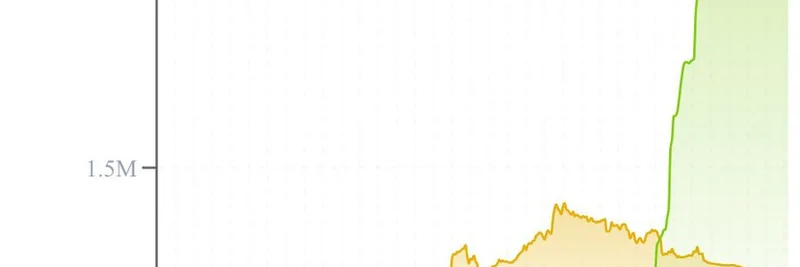
Swihart's post came with a telling chart that tells the real story:
Look at that upward trajectory in the Orchard pool—it's ballooned to over 4 million ZEC, while the older pools hold steady or taper off naturally as users migrate. This isn't a sign of trouble; it's evolution. As Swihart puts it, "Those who value encrypted money yesterday, value it today. When you have it, you understand it. Alpha. Think."
The FUD seems tied to governance tweaks, like who gets to allocate grants for protocol development. In replies, Swihart even expressed interest in seeing more treasury holdings shielded by projects like Cypherpunk Holdings. It's a reminder that in crypto, noise often drowns out signal, but the fundamentals—especially privacy in an increasingly surveilled world—don't budge.
Why does this matter for blockchain builders and enthusiasts? Zcash isn't just another coin; it's a toolkit for private DeFi, confidential NFTs, and shielded payments that could power the next wave of Web3 apps. With regulators circling and data breaches everywhere, coins like ZEC offer real utility beyond hype. If you're dipping into privacy tech, Zashi, the official wallet, is a great starting point to experience shielded transactions firsthand.
Swihart's thread also drew supportive replies from the community, with folks buying the dip and echoing the call to "keep the PoW mechanism forever." Proof-of-Work keeps Zcash decentralized and secure, much like Bitcoin, but with that privacy twist.
In the end, this FUD flare-up is just that—a blip. The shielded pool's growth proves user confidence is intact. If you're building on blockchain or just hodling for the long haul, take Swihart's advice: think critically, value privacy, and tune out the noise. What's your take on Zcash's role in the privacy coin meta? Drop a comment below—we're all ears at Meme Insider as we track the wild world of tokens and tech.
For more on Zcash's tech upgrades, check out the official docs. And if you're into meme tokens with a privacy edge, we've got roundups coming soon. Stay shielded, folks.