 Meme Insider
In the fast-paced world of cryptocurrency, where prices can skyrocket or plummet overnight, a recent X thread has sparked heated debate about Zcash ($ZEC). Posted by trader @nextfckingthing, the thread accuses prominent figures in the crypto space of artificially pumping the privacy coin to recover from their own financial setbacks. Let's break down what happened and why it's stirring up the community.
The Accusations in the Thread
The main post lays out a narrative that's all too familiar in crypto circles. It claims that "doxxed founders and influencers who extracted all the money from this cycle" lost big on high-risk bets and are now turning to $ZEC as a way to claw back their funds. They allegedly coordinate to shill the coin, presenting it as "Bitcoin v2" – a superior version with enhanced privacy features. The punchline? Buyers end up as bag holders, but "at least nobody can see your losses onchain."
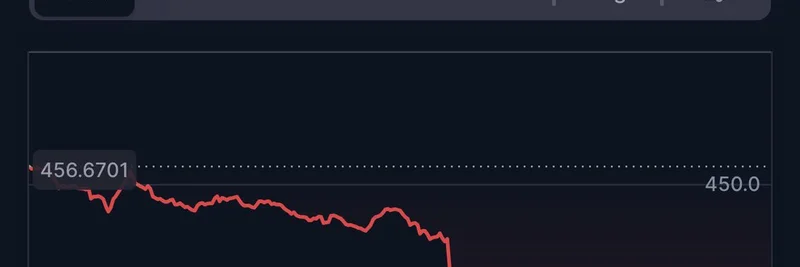
This thread comes at a time when $ZEC's price has been volatile. Just look at this chart from CoinMarketCap showing a sharp 18.79% drop in 24 hours, bringing the price to around $363.94.
The poster argues that the sudden, synchronized promotion of a nine-year-old coin feels anything but organic. For those new to the term, "shilling" in crypto means aggressively promoting a token, often for personal gain, without disclosing motives.
Community Pushback and Support
Replies to the thread show a divided crowd. On one side, defenders like @0xMert_ from Helius Labs point out that despite a broader market nuke – with Bitcoin dropping from $120,000 to $80,000 – $ZEC is still up over 500% from its lows. He calls it "the only coin that's still up and that has utility," predicting a climb to $1,000.
But @nextfckingthing fires back, labeling $ZEC a "fake privacy coin with total supply control" pumped by a "cabal" including Solana cofounders. He highlights the irony: during a week of positive news for Solana like ETF approvals, attention shifted to this "dino coin with zero utility."
Other replies echo the skepticism. @CryptoSignalz55 notes, "ZEC didn’t pump because fundamentals changed. It pumped because someone needed it to." @RAF_BTC suggests $ZEC's end-of-bull-run pumps might tie to "wash theory," where privacy features hide large capital movements. Even @Cypherpunkgod1 quips, "At least nobody can see your losses onchain 😭" – turning the privacy angle into a jab.
Understanding Zcash: Privacy Coin or Pump Scheme?
For context, Zcash is a cryptocurrency launched in 2016, built on Bitcoin's codebase but with added privacy through zero-knowledge proofs called zk-SNARKs. This tech lets users shield transaction details, making it appealing for those seeking anonymity in blockchain dealings. Unlike fully private coins like Monero, $ZEC offers optional privacy – you can choose shielded or transparent transactions.
However, critics in the thread question its "fake privacy" label, possibly referring to debates over its trusted setup or the fact that not all transactions are private by default. With a total supply capped at 21 million like Bitcoin, it's positioned as a store of value with privacy perks. But in meme token land, where quick pumps rule, this thread warns of similar tactics: coordinated hype leading to retail dumps.
Lessons for Meme Token Investors
At Meme Insider, we track how narratives drive meme coins, and this $ZEC saga feels eerily similar. Meme tokens often surge on viral stories or influencer endorsements, only to crash when the hype fades. The key takeaway? Always dig into the "why" behind a pump. Is it genuine innovation, or just a recovery play for big players?
If you're eyeing privacy-focused projects, check out alternatives like Monero (XMR) for mandatory privacy or emerging meme-ish tokens blending fun with tech. Stay vigilant – in crypto, privacy might hide gains, but it can also obscure the risks.
What do you think? Is $ZEC the privacy hero we need, or just another cycle's exit liquidity? Drop your thoughts in the comments below.