Meme Insider
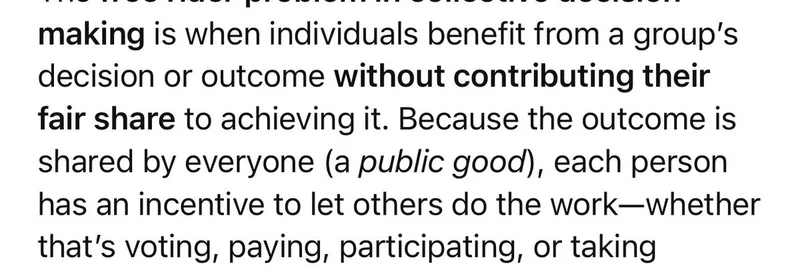
Ever feel like group decisions drag because some folks just coast along, reaping benefits without lifting a finger? That's the free rider problem in a nutshell, and it's a massive headache for decentralized autonomous organizations (DAOs). But what if we could flip the script with markets instead of votes? Enter MetaDAO, a Solana-based platform pioneering futarchy—a governance twist that's got crypto enthusiasts buzzing, especially after a recent thread highlighting its power to squash free riders.
The image above, shared in the thread by Solana DAO advocate c2yptic, nails it: In traditional collective setups, outcomes are public goods. Everyone wins if the group succeeds, so why bother contributing? You vote (or don't), pay dues (or skip), and still enjoy the perks. Over time, this erodes trust and participation, turning "equal opportunity" into demands for "equal outcome" without effort. Sound familiar in the wild world of meme tokens and community-driven projects?
c2yptic's thread dives deeper, quoting their own earlier post on how these dynamics fuel "collectivistic mind viruses." But here's the glow-up: MetaDAO's futarchy governance method. Pronounced "few-tar-key," it's a brainchild of economist Robin Hanson, now live on Solana. Forget endless proposal debates or low-turnout votes. Futarchy lets markets decide.
What Is Futarchy, Anyway?
Picture this: Instead of tallying votes, DAO members trade in prediction markets tied to proposals. For every idea—like updating a liquidity fee structure or launching a new feature—two markets pop up:
- Pass Market: Bets on "What if this boosts our token's value?"
- Fail Market: Bets on "What if it tanks?"
Traders put real skin in the game, buying shares in the outcome they believe in. If the pass price climbs higher than fail (say, by a set threshold like 10%), the proposal sails through. No participation? No problem—you're sidelined from the profits. It's economic incentives on steroids, aligning self-interest with the group's good.
MetaDAO makes this seamless on Solana, where speed and low fees shine. Projects like Sanctum, a liquid staking powerhouse, just adopted it fully. Their first futarchy market racked up over 200 trades in hours, proving real-world traction.
Why It Crushes the Free Rider Blues
c2yptic hits the nail: Futarchy "effectively eliminates part of the free rider problem." That cheeky "futarded 'see you in the books'" vibe? It's a battle cry against slackers. In meme token land, where communities hype rugs and gems alike, this matters big time. Low engagement kills momentum—think ghost towns in Discord or stalled token launches.
With futarchy:
- Boosted Participation: Betting beats ballot-stuffing. Early backers and sharp traders dive in, as seen in Dean’s List DAO's fee tweak that drew $398K in volume across 20 trades.
- Smarter Outcomes: Markets aggregate info better than polls. Prediction markets have outfoxed election forecasters and even nailed orange juice weather bets.
- Meme-Proof Resilience: The "futarded" lingo adds fun, turning governance into a game. For meme coins chasing viral vibes, this could mean decisions that actually pump value, not just hot air.
Of course, it's not flawless. Liquidity hurdles and oracle risks lurk, but MetaDAO's setup—with minimum liquidity locks and three-day proposal windows—keeps spam at bay.
Tying It to Meme Tokens and Beyond
At Meme Insider, we're all about decoding the chaotic charm of meme tokens. Futarchy fits right in: Imagine a dog-themed DAO betting on moonshot marketing instead of vibe-check votes. It democratizes smarts, letting whales and degens alike wager on what's best. As Solana's ecosystem heats up, tools like this could redefine how we build and govern—free from free riders, full of futarded fire.
If you're knee-deep in Solana DAOs or eyeing meme plays with real utility, check out MetaDAO's docs to spin up your own market. What's your take—ready to bet on beliefs over ballots? Drop thoughts below; let's futarch this convo.