 Meme Insider
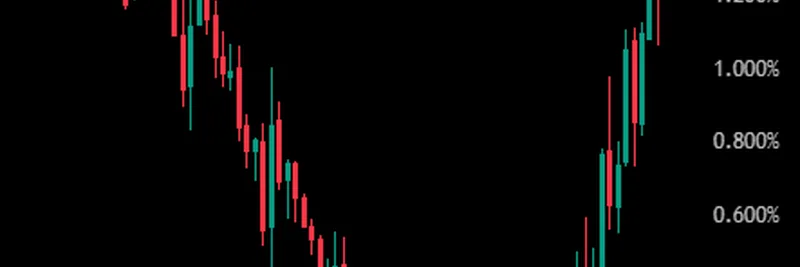
If you've been scrolling through X (formerly Twitter) lately, you might have come across a thread that's sending ripples through the financial world. Posted by Shanaka Anslem Perera (@shanaka86), it's a deep dive into why Japan's surging bond yields should have every portfolio manager on high alert. But what does this mean for the wild world of meme tokens? Let's break it down step by step, keeping things straightforward—even if you're new to terms like "carry trades" or "yield curve control."
The Tweet That Started It All
Perera quotes a post from The Kobeissi Letter (@KobeissiLetter), highlighting Japan's 10-year government bond yield jumping to 1.84%, the highest level since April 2008. That's a big deal because for decades, Japan has kept interest rates ultra-low, basically at zero or even negative. This made the yen a go-to currency for borrowing cheaply and investing elsewhere for higher returns—a strategy called the yen carry trade.
In his thread, Perera explains: "For three decades, Japan was the anchor. Zero rates. Infinite liquidity. The foundation upon which global carry trades were built. Trillions borrowed in yen, deployed into US Treasuries, European bonds, emerging market debt, risk assets everywhere."
But now, that anchor is slipping. The Bank of Japan (BOJ) can't hold back anymore as inflation picks up and other central banks tighten. Yields are rising, and in a follow-up post, Perera notes that Japan's 30-year yield has hit 3.40%—the highest in modern history.
Breaking Down the Global Implications
So, why the terror? Japanese institutions hold about $1.1 trillion in US Treasuries, making them the largest foreign holders. With domestic yields climbing, there's incentive to bring that money back home—repatriation, in finance speak. This happens right as the US Federal Reserve stops its quantitative tightening (QT) and faces massive deficits needing funding.
Perera warns: "Two of the three largest buyers of US government debt are stepping back simultaneously." The third is China, which has its own reasons for scaling back. This could force a repricing of everything built on cheap money post-2008 financial crisis.
In simpler terms, the era of free money is ending. Higher yields mean borrowing costs go up worldwide, squeezing leveraged positions and duration bets (investments assuming rates stay low).
How This Ties into Meme Tokens and Crypto
Now, let's connect the dots to meme tokens—the fun, volatile corner of crypto where coins like Dogecoin or newer entrants rise and fall on hype, community, and speculation. Meme tokens are classic "risk assets," thriving in low-rate environments where investors chase high returns.
The yen carry trade has indirectly fueled crypto booms. Traders borrow yen cheaply, convert to dollars or other currencies, and pour into high-risk plays like Bitcoin, Ethereum, or meme coins. If yields keep rising, that trade unwinds: borrowers sell risk assets to repay loans, leading to sell-offs.
We've seen this before. In 2022, when the Fed hiked rates, crypto crashed hard. Meme tokens, being the most speculative, got hit worst—some dropping 90% or more.
But it's not all doom. Perera calls it "The Great Normalization." For blockchain practitioners, this could mean:
Short-term pain: Liquidity dries up, volatility spikes. Meme token prices could dip as global markets adjust.
Long-term opportunity: As fiat systems strain under debt, decentralized assets like crypto might shine as hedges. Bitcoin, often called digital gold, could benefit from inflation fears. Meme tokens with strong communities (think utility beyond jokes) might evolve.
Replies to the thread show mixed reactions—some dismiss it as fear-mongering, others see it as a black swan event. One user notes gold and silver hitting highs, suggesting a shift to hard assets, which could extend to crypto.
What Should Meme Token Holders Do?
Stay informed. Monitor BOJ moves and US Treasury auctions. Diversify beyond pure memes—look at projects with real tech, like those in DeFi or AI-blockchain hybrids. And remember, in crypto, volatility is the name of the game.
This thread is a reminder that meme tokens don't exist in a vacuum. Macro events like Japan's yield surge can cascade into our niche. For more on how global finance intersects with blockchain, check out resources like CoinDesk or dive deeper into Perera's insights on his Substack.
Keep building that knowledge base, and let's navigate this normalization together.
