 Meme Insider
In the fast-paced world of Solana DeFi, where meme tokens can rocket to the moon one day and crash the next, trust is everything. But what if that trust is built on a black box? That's the fiery question Chaseeb, the "rookie of the year" at Solana Mobile and self-proclaimed world hot dog eating champion, dropped in a recent X post that's got the crypto community buzzing.
"Stop trusting closed sourced DeFi protocols on Solana with your money imo," Chaseeb wrote bluntly. "I understand this will offend a lot of people, BUT, simply open source your code?" It's a call to arms that's equal parts provocative and practical, especially in an ecosystem where Solana's speed and low fees have fueled explosive growth in decentralized finance—and yes, a wild array of meme coins like $BONK and $WIF.
Why Open Source Matters in Solana's Meme-Driven DeFi World
Let's break it down simply: Closed-source protocols are like handing your wallet to a stranger in a hoodie—you hope they're legit, but you can't peek inside to check. Open-sourcing the code flips that script. Anyone—devs, auditors, or even your average meme token degens—can scrutinize it for backdoors, bugs, or sneaky exploits. In Solana, where transactions fly at warp speed, that transparency isn't just nice; it's a lifeline.
Chaseeb's post hit at a time when Solana's DeFi TVL (total value locked) is climbing, with meme tokens playing a starring role in community-driven projects. Think about it: Platforms handling billions in liquidity for everything from yield farms to pump-and-dump memes need verifiable safety. As one reply put it, "open source code is the only verifiable way to prove a protocol is safe ngl." Spot on.
This isn't abstract theory. Remember the 2022 Solana outages? Or more recently, exploits in lesser-known DeFi apps that wiped out user funds? Open source could've caught those red flags early. For meme token creators and traders, it's even more critical—your next viral hit could be built on shaky foundations if the underlying protocol hides its guts.
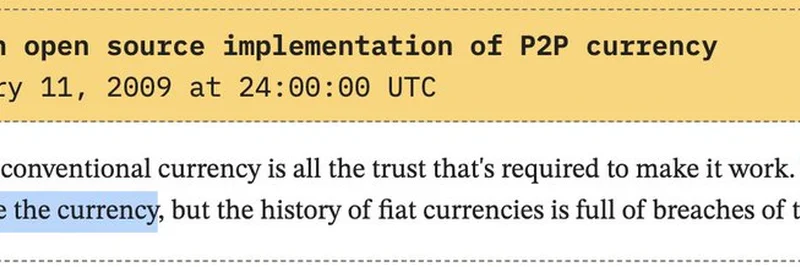
The image circulating in the thread sums it up perfectly: A sleek graphic of chains snapping, gears turning freely, and the word "Decentralization" bolded like a battle cry. Quoted from Hardhat Chad's post, it reminds us: "Decentralization has always been about removing counterparty risk." Open source? That's the ultimate risk-remover.
The Pushback—and Chaseeb's Clapbacks
Of course, not everyone's on board. One reply quipped, "Why? So the source could be stolen and become more popular than ours?" Fair fear in a copycat crypto space, but Chaseeb shut it down hard: "lol if you are scared about that you’re in the wrong business." And later, to a half-measure suggestion of "source available" (a tease without full edit rights), he doubled down: "If you’re highly successful and own a ton of marketshare, stop being a bitch. You won’t lose at that point from code copying. You’ll lose from execution."
He's got a point. Crypto's littered with "stolen" ideas that flopped because the originals executed better—looking at you, every Ethereum fork ever. In Solana's meme token scene, where virality trumps code alone, execution (think slick UIs, timely pumps, and community hype) is king. Open sourcing doesn't hand over your moat; it builds a wider bridge for innovation.
Even the jokes landed with truth. A satirical reply about a "CEO permission" denial got Chaseeb firing back: "What a retard. Who hired him?" It's that raw, unfiltered vibe that makes X the pulse of crypto discourse—and why voices like Chaseeb's cut through the noise.
What This Means for Meme Token Builders and DeFi Users
If you're knee-deep in Solana meme tokens—launching your own dog-themed gem or farming yields on a frog coin—this debate hits home. Closed protocols might promise quick gains, but at what cost? Audits are great (shoutout to firms like Trail of Bits), but they're snapshots. Open source is live, collaborative security.
For practitioners, it's a nudge to level up: Dive into GitHub repos of projects like Jupiter Aggregator or Raydium, both open-source powerhouses on Solana. Understand the code, contribute if you can, and vote with your wallet for transparency. Tools like Solana's Program Library make it easier than ever to build on proven, public foundations.
Chaseeb's rallying cry could spark a wave of open-sourcing in Solana DeFi, making the chain safer for meme madness and serious finance alike. Will teams listen, or dig in their heels? One thing's clear: In blockchain, trust isn't given—it's earned, line by line.
What do you think—time to open the books, or is closed-source still smart business? Drop your takes in the comments, and keep an eye on Meme Insider for more on Solana's wild ride.