Meme Insider
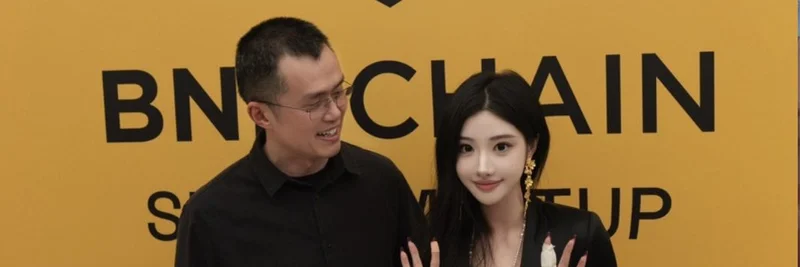
If you've been in crypto for a while, you know BNB as that utility token from Binance. But did you know it started as just a way to get cheaper trading fees? A recent thread on X by @StarPlatinumSOL breaks down how this "discount coupon" evolved into a $180 billion ecosystem. It's a wild ride that shows how smart building and real utility can turn something simple into a crypto giant. And for us meme token fans, there are tons of lessons here on growth, resilience, and community-driven value.
BNB의 소박한 시작
Back in 2017, BNB launched at a mere $0.15. Its main job? Helping traders save on fees at Binance, which was quickly becoming the go-to exchange. As the platform exploded in popularity, so did the demand for BNB. Every trade and listing fed into its value. It's like how some meme tokens start with a fun gimmick but gain traction through hype and usage.
The thread highlights how Binance's dominance turned BNB into a "gold mine." With millions of users, the token wasn't just a perk—it became central to the ecosystem.
블록체인 강자로의 전환
Then came the big shift. Binance didn't stop at being an exchange; they built their own chain. First, Binance Chain, then the full EVM-compatible Binance Smart Chain (BSC). BSC was all about speed and low costs, making it perfect for everyday users. While other chains debated pure decentralization, BSC focused on what mattered: getting people onboarded easily.
BNB became the gas token for transactions, spiking demand. By 2021, it was handling 30 million transactions daily, with total value locked (TVL) over $20 billion. Projects like PancakeSwap turned it into a DeFi hub, and BNB's price soared to $690. Sound familiar? It's similar to how meme tokens on Solana or Ethereum explode when they hit the right dex and community vibe.
약세장에서의 생존
Crypto winters are brutal, but BNB held strong. Even as prices dipped, the team kept innovating. They introduced auto-burns to reduce supply, real-time gas burns via BEP-95, and faster block times. Despite FUD, regulations, and hacks, the chain chugged along with millions of daily transactions.
This resilience is key for meme tokens too—many fade in bears, but the ones that build utility and community survive.
2024년과 그 이후: Layer-2와 새로운 고도
Fast forward to 2024: BNB Chain merged into one main EVM chain, added opBNB as a super-cheap layer-2 (think $0.001 fees and sub-second blocks), and Greenfield for decentralized storage. BNB wasn't just an exchange token anymore; it was fueling a full-blown ecosystem.
In 2025, the stats are insane: 58 million monthly active wallets, 20 million daily transactions, TVL above $15 billion, and a new all-time high of $1,328. While other layer-1s struggle to reclaim old highs, BNB thrives.
이를 이끄는 경제학
What makes BNB tick? Solid tokenomics. Started with 200 million supply, aiming for 100 million through burns—over 60 million already gone. Quarterly auto-burns plus block-by-block gas burns create deflationary pressure as usage grows. It's a model meme projects could learn from: pair fun with mechanics that reward holders long-term.
From $0.15 to $1,328—that's a 7,800x return in eight years. But as the thread notes, future success hinges on trust amid regulatory pressures and centralization debates.
밈 토큰 창작자들을 위한 교훈
This BNB saga isn't just history; it's a blueprint. Meme tokens often start with humor or virality, but adding real utility—like integrations, burns, or ecosystems—can take them to the moon. Think about how YEET, mentioned in the thread, ties into this with its ambassador program and rewards.
If you're building or investing in memes, focus on what Binance did: solve real problems, iterate relentlessly, and build for users first.
Check out the full thread here for more details. What's your take on BNB's journey? Could your favorite meme token follow suit?