Meme Insider
If you've been wondering why meme coins and wild crypto bets seem to dominate Gen Z's financial playbook, a recent tweet from fintech investor Sheel Mohnot (@pitdesi) might hold the key. Sharing a compelling new economic paper, Mohnot argues that America's housing affordability crunch is upstream of everything—from sluggish work ethic to the explosion of "degen" (degenerate) investing in things like meme stocks and altcoins. Let's dive into what this means for the meme token world and why it's resonating so hard in blockchain circles.
The Paper's Core Insights: When Homeownership Feels Impossible
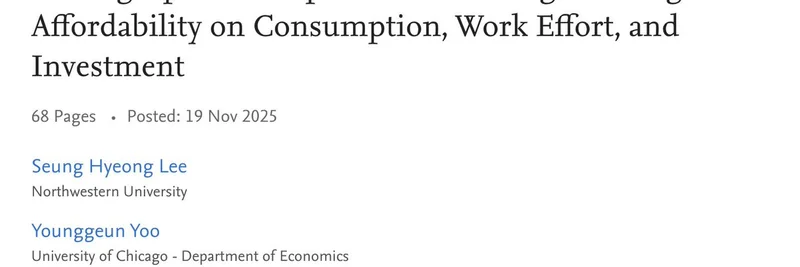
The paper, titled "Giving Up": The Impact of Decreasing Housing Affordability on Consumption, Work Effort, and Investment, comes from economists Seung Hyeong Lee at Northwestern University and Younggeun Yoo at the University of Chicago. Using a detailed life-cycle model calibrated to U.S. data, they project that folks born in the 1990s will hit retirement with homeownership rates about 9.6 percentage points lower than their parents' generation. That's a massive shift, driven by skyrocketing housing costs that make buying a home feel like a pipe dream for many young adults.
But here's where it gets interesting: when people mentally "give up" on owning a home, their behavior changes in predictable ways. The model shows they ramp up consumption by 5-7% relative to their wealth, dial back work effort by 1.5-2.5%, and crank up risk-taking in investments by 6-10%. In plain terms, if saving for a down payment seems futile, why not splurge a bit more, slack off at the job, and chase those lottery-like wins? Empirical data backs this up, showing low-wealth renters already exhibiting these patterns.
These shifts don't just stay isolated—they compound over time, widening the wealth gap between those who still chase the homeownership dream and those who've checked out. By retirement, the "givers-up" end up with around 30% less wealth, perpetuating inequality.
Connecting the Dots to Meme Coins and Crypto Degens
Mohnot's tweet nails the cultural ripple effects: "When the dream of home-ownership dies, people spend more and look for quick ways to make money... that mechanism explains so much of the last decade: meme stocks, altcoins, levered bitcoin treasury plays, SPACs—anything with lottery-like upside becomes more appealing once the safe, slow path of home equity disappears."
In the meme token space, this hits home (pun intended). Meme coins like Dogecoin, Shiba Inu, or the latest Solana-based pumps aren't just fun—they're high-volatility bets with asymmetric upside, perfect for a generation priced out of traditional assets. "Degen economy" is crypto slang for this reckless, high-risk trading style, where traders "degen" into positions hoping for 100x gains. If housing was once the steady wealth-builder, meme coins have become the digital lottery ticket.
Think about it: in a world where entry-level homes cost 7-8 times median income in many cities, young blockchain enthusiasts are turning to decentralized finance (DeFi) and meme projects for that shot at life-changing wealth. The paper's emphasis on increased risk-taking aligns perfectly with the surge in altcoin adoption, where low barriers to entry (just a wallet and some ETH or SOL) let anyone join the fray. It's no coincidence that Gen Z, facing student debt and stagnant wages alongside unaffordable housing, is over-indexed in crypto ownership compared to older generations.
Broader Implications for Blockchain Practitioners
For those building in blockchain, this research underscores why meme tokens aren't just a fad—they're a symptom of deeper economic frustrations. Projects that tap into this "degen" vibe, like community-driven tokens with viral narratives, thrive because they offer escapism and potential windfalls. But it's also a call to action: as Mohnot concludes, "let's build more housing so we can restore the wealth ladder for the next generation!"
On the policy side, the paper floats a targeted subsidy for young renters teetering on the "giving-up threshold." This could boost homeownership, amp up work effort, and cut reliance on social safety nets—welfare gains that outpace blanket handouts by a wide margin. In crypto terms, imagine if better housing policies freed up more capital for sustainable blockchain innovation instead of pure gambles.
Wrapping Up: A Wake-Up Call for Housing and Crypto Alike
This thread (original here) sparked lively replies, from Solana co-founder Anatoly Yakovenko joking about "Soviet sleeper agents" behind zoning laws to discussions on how Tokyo's affordable housing keeps things in check. It's a reminder that real-world economics shape crypto trends more than we think.
If you're deep in meme tokens, consider how these macro forces are driving participation. And hey, maybe advocate for YIMBY (Yes In My Backyard) policies alongside your next token launch—it could stabilize the ecosystem in the long run. For more on how economic shifts influence blockchain, stick with Meme Insider.