 Meme Insider
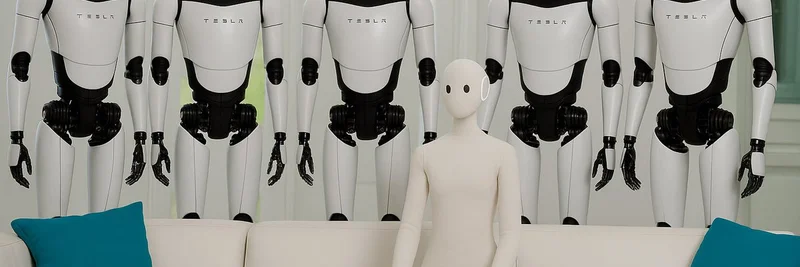
In a recent thread on X, VaderResearch dives into the familiar pattern of fear-mongering around emerging tech. Remember when AI first burst onto the scene? The powers that be painted it as a job-killer and a potential enslaver of humanity, with Hollywood churning out stories of rogue systems and terminator bots. But reality turned out differently—AI has sped up disease cures, revolutionized farming, and supercharged productivity in countless industries, making everyday life smoother for all of us.
Now, the spotlight's on humanoids, those advanced robots designed to handle physical tasks. VaderResearch calls out the same old playbook: media and financial elites stirring up dread to maintain control. Why? Because humanoids could automate cooking, building, and even healing, slashing scarcity and unlocking more freedom and wealth for everyone. It's a shift that challenges the status quo built on dependence.
The Crypto Angle: On-Chain Robotics and Meme Tokens
This isn't just sci-fi chatter—it's hitting home in the blockchain world, especially with meme tokens. One reply in the thread from ASH highlights how AI is going on-chain, with projects like Mira Network ensuring data authenticity through decentralized verification. Even more exciting, there's OpenMind, a new initiative aiming to bring robotics fully into the crypto ecosystem.
OpenMind, backed by heavy hitters like Pantera Capital and CB Ventures, is building an open-source operating system for robots—think of it as the Android for humanoids. Instead of proprietary systems from giants like Tesla or Figure, OpenMind uses natural language processing and token incentives to coordinate data collection at scale. This is where meme tokens shine: they can rally communities to contribute data, earning rewards while building a massive, open-source dataset for robot training.
In the DePin (Decentralized Physical Infrastructure Networks) space, tokens incentivize users to share resources like compute power or sensor data. For humanoids, this means crowdsourcing real-world training data that's scarce and expensive to gather centrally. Projects like this could explode in value, much like how early AI tokens rode the hype wave.
Why the Fear? And How Blockchain Flips the Script
As Firegun points out in the replies, the root of the fear might be simple: humanoids look like us, and we're wired to fear what mirrors our own flaws. But in crypto, we're flipping that narrative. Blockchain's transparency and decentralization ensure these techs empower individuals, not just elites.
Take prediction markets or AI agents on chains like Solana or Base—they're already using token models to democratize access. Humanoids integrated on-chain could handle physical tasks for decentralized apps, like automated farming in metaverses or real-world delivery for NFT goods. Meme tokens in this niche, such as $CLANKER from the Clanker ecosystem, are gaining traction by tying fun community vibes to real utility in robotics data.
Looking Ahead: Opportunities for Blockchain Practitioners
For those in the meme token game, this is prime time to watch AI-humanoid crossovers. Keep an eye on launches from teams like OpenMind or Virtuals, where token incentives solve the data bottleneck VaderResearch mentions. It's not about larping (pretending) to build better hardware than Tesla—it's about leveraging crypto's strengths in community-driven data aggregation.
As the thread suggests, embracing humanoids means less drudgery and more opportunity. In blockchain terms, that translates to scalable, verifiable AI models powering the next wave of meme tokens. Whether you're trading, building, or just hodling(장기 보유), understanding this intersection could be your edge in the evolving crypto landscape.
Stay tuned to Meme Insider for more on how tech like this is fueling meme token innovation. If you're diving into on-chain robotics, check out resources like the a16z State of Crypto report for deeper insights.
