Meme Insider
In the fast-paced world of crypto prediction markets, where billions are wagered on everything from election outcomes to meme coin pumps, reliable data is king. But what happens when the dashboards everyone trusts are feeding you bad numbers? That's exactly the bombshell dropped by storm, a data whiz at Paradigm, in a thread that's got the crypto community buzzing.
storm's investigation exposed a sneaky but widespread issue: almost every major dashboard has been double-counting Polymarket's volume. And no, this isn't some shady wash trading scheme—it's a legitimate on-chain data quirk that's been flying under the radar. If you're knee-deep in DeFi or tracking meme token trends, this could rewrite how you view market metrics.
The Bug at the Heart of It
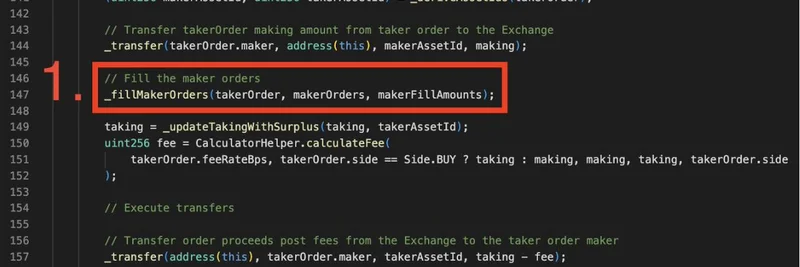
Polymarket, the go-to platform for betting on real-world events using crypto, runs on the Polygon blockchain. Each trade generates multiple on-chain events—like a receipt and a settlement log—that look like separate transactions to casual scrapers. Dashboards gobble up these duplicates, spitting out volume figures that are literally twice as high as reality.
storm broke it down with crystal-clear examples in their thread. Picture this: a single $100 bet shows up as two $100 trades in the raw data. Multiply that across millions of wagers, and you've got dashboards claiming Polymarket hit absurd highs during the U.S. election frenzy. The real story? Volumes were strong, but not that strong.
To fix it, you need smart querying—filtering for unique trade IDs or using specific event signatures. It's a simple tweak for devs, but one that's been overlooked across the board.
Dashboard Fallout: Who's Affected?
This isn't isolated. Heavy hitters like Dune Analytics, Nansen, and even custom tools have been pumping out inflated stats. Traders and analysts, including yours truly back in my CoinDesk days, have made calls based on these numbers. Storm's post is a wake-up call: always verify your sources.
Replies to the thread lit up with reactions. Adam from CounterpartyTV chimed in, praising storm's deep dive and clarifying it's not a Polymarket flaw per se. He even looped in Primo Data for the correct logic, which matches storm's fix. Others, like Solana traders and meme coin hunters, are already rethinking their setups: "Inflated dashboards are just the tip of the iceberg," one noted.
For meme token enthusiasts, this hits close to home. Prediction markets often overlap with viral tokens—think betting on the next Dogecoin rival. Bad data skews sentiment analysis, leading to FOMO-fueled buys or missed rugs.
Why This Matters for Blockchain Builders
In a space where trust is everything, data integrity is non-negotiable. This bug underscores a bigger truth: on-chain transparency is powerful, but it demands rigorous parsing. Blockchain practitioners, whether you're building the next meme DEX or analyzing trends, should prioritize tools like The Graph or custom subgraphs for precise queries.
Paradigm's role here? Spot-on. As a leading crypto investment firm, their data team's proactive hunt for these gremlins keeps the ecosystem honest. It's a reminder that even giants like Polymarket rely on the community's eagle eyes.
Peering Ahead: Cleaner Data, Smarter Bets
Storm's thread isn't just a bug report—it's a blueprint for better practices. Expect dashboard updates soon, and maybe even standardized fixes across the prediction market space. For now, if you're diving into Polymarket volumes, cross-check with storm's method.
Got thoughts on this data drama? Drop them below—we're all in this memetic blockchain ride together. And hey, if you're hunting the next big meme token play, stick around Meme Insider for the unfiltered alpha.
Want more breakdowns like this? Follow us for daily dives into meme tokens, DeFi glitches, and everything making crypto tick.