 Meme Insider
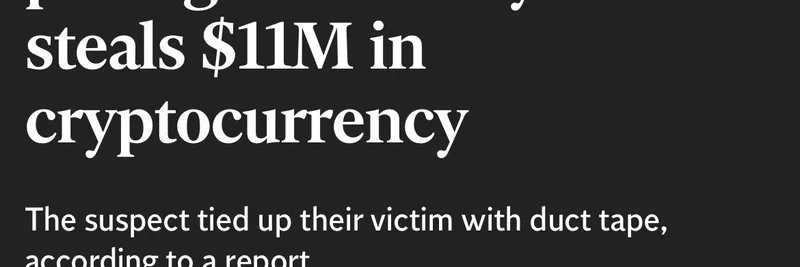
In the wild world of crypto, where meme tokens can turn everyday folks into overnight millionaires, security isn't just about strong passwords and two-factor authentication. Sometimes, the biggest risks come from the real world. A recent tweet from @StarPlatinum_ highlights a chilling example: a "wrench attack" in San Francisco that resulted in an $11 million cryptocurrency theft. Let's break down what happened, why it's relevant to the meme token community, and how you can stay safe.
The Incident: A Fake Delivery Turns into a Nightmare
On November 23, 2025, in San Francisco's upscale Mission Dolores neighborhood, a tech investor named Joshua (reportedly Oliver Mulherin, ex-partner of OpenAI's Sam Altman) fell victim to a brazen home invasion. The attacker, disguised as a UPS delivery driver, tricked his way inside by claiming a package needed a signature. Once the door was open, things escalated quickly.
According to reports from The Independent and New York Post, the robber pulled out a gun, tied the victim with duct tape, and forced him to unlock his phone and laptop. Over about 90 minutes, the thief transferred Bitcoin and Ethereum worth $11 million from the victim's wallets. To add psychological pressure, a phone on speaker played voices reading out personal details about the victim. The robber then fled with the devices.
This wasn't a sophisticated hack—it was a classic "wrench attack," a term from the crypto community inspired by an XKCD comic illustrating how a cheap tool (like a $5 wrench) can "extract" secrets through physical force. Sadly, this isn't isolated; over 60 similar incidents have been reported in 2025 alone, targeting visible wealth in tech hubs like San Francisco.
Why This Matters for Meme Token Enthusiasts
Meme tokens like Dogecoin, Shiba Inu, or emerging ones on Solana and Base often explode in value, creating sudden wealth for holders. But that hype can make you a target. Unlike traditional investors, meme coin communities thrive on social media buzz, where doxxing (revealing personal info) or flaunting gains is common. If your wallet address links back to your real-life identity—through social posts, NFT profiles, or even public blockchain data—you could be at risk.
In this case, the victim lived in a $4.4 million home in a founder-heavy area, signaling wealth. For meme token holders, the lesson is clear: as your portfolio moons, so does your visibility. Physical attacks bypass digital defenses, turning your home into a vulnerability.
Key Security Tips to Protect Your Meme Gains
Staying safe in crypto means blending digital smarts with real-world caution. Here are some straightforward steps:
Practice OpSec (Operational Security): Keep your crypto holdings private. Avoid linking your wallet to your social media or real name. Use pseudonyms and consider tools like mixers or privacy-focused chains for transactions.
Use Multi-Sig Wallets and Hardware Devices: Store your meme tokens in hardware wallets like Ledger or Trezor. Multi-signature setups require multiple approvals, making forced transfers harder.
Home Security Basics: Install smart doorbells with cameras, verify deliveries before opening the door, and consider a safe room or panic button. If you live in a high-risk area, think about relocating to safer spots—some in the thread suggested Dubai, though risks exist everywhere.
Split Your Assets: Don't keep all your eggs in one basket. Diversify across wallets, exchanges, and even cold storage. Time-locked vaults can prevent quick transfers under duress.
Educate Your Circle: Share these stories in your meme token communities. Awareness is the first line of defense—remind folks that bragging about pumps can attract the wrong attention.
The tweet thread sparked discussions, with users like @kungfukenn_eth joking about pretending to be broke to avoid notice, and others emphasizing off-grid wallets and controlled disclosure. It's a reminder that in the meme token space, where fun meets finance, security should never be an afterthought.
As blockchain evolves, so do the threats. Stay vigilant, protect your gains, and keep building that knowledge base. If you've got tips or stories, drop them in the comments below—let's make the meme community safer together.