Meme Insider
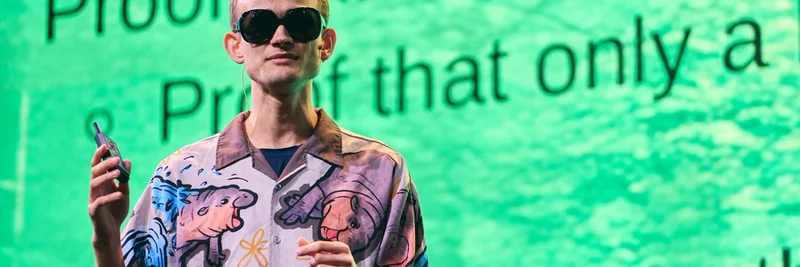
In a recent tweet from journalist Juan Brodersen, we get a glimpse into an exclusive interview with Ethereum co-founder Vitalik Buterin at Devconnect in Buenos Aires. The discussion covers everything from Ethereum's push for true decentralization to the evolving threats in blockchain security, and even shouts out the vibrant Argentine crypto community. For those of us in the meme token world, where so many projects live on Ethereum, these insights hit close to home – after all, a more secure and decentralized network means safer pumps and fewer rugs.
The tweet, posted on November 30, 2025, highlights a quote from Buterin: "If only 30 people understand the Ethereum protocol, then it's not very decentralized." It's a call to simplify the tech so more folks can jump in and verify the network themselves. Check out the original thread on X for the full vibe, and dive deeper into the interview on Clarín.
Why Decentralization Matters for Meme Tokens
Buterin stresses that Ethereum's decentralization isn't just buzz – it's about spreading out control to avoid single points of failure. Right now, the network runs on multiple client teams scattered across the globe, including spots in the US, Europe, Australia, and even Argentina's Ethrex. No single client dominates more than 40% of the network, which prevents bugs or takeovers from crashing the whole thing.
For meme token creators and holders, this means a fairer playground. Imagine launching your next viral coin without worrying about a centralized chokehold. Buterin envisions using Zero Knowledge (ZK) proofs to scale Ethereum further, making nodes cheaper to run and blocks easier to verify. ZK tech, in simple terms, lets you prove something is true without revealing all the details – perfect for privacy in transactions, which could boost adoption in meme communities where anonymity is key.
Tackling Blockchain Security: The UI Weak Link
Security has come a long way since Ethereum's early days. Remember the 2016 DAO hack? Buterin notes that the core blockchain hasn't had major downtime in a decade, and DeFi losses from hacks are dropping fast thanks to better coding standards, audits, and tools like multisig wallets (think Safe, where multiple approvals are needed for transactions).
But here's the real vulnerability: the user interface (UI). That's the front-end stuff like wallets and apps where most big hacks happen – like when a compromised server tricks you into signing away your funds. In the meme token space, where quick trades and airdrops are the norm, this is a huge risk. Scammers love exploiting flashy UIs to drain wallets during hype cycles.
The Ethereum Foundation is on it, though, with projects like Kohaku, a privacy SDK for wallets. Buterin calls for more community education and "bulletproof" defaults to protect noobs from themselves. DYOR (Do Your Own Research) is crypto gospel, but as meme tokens attract mainstream crowds, we need better safeguards to keep the fun going without the tears.
Spotlight on Argentina's Crypto Community
One of the interview's highlights is Buterin's praise for Argentina's crypto scene. He calls it "effervescent" – always buzzing, but now with serious players like Wonderland and OpenZeppelin building top-tier infrastructure. Devconnect drew 14,000 attendees to Buenos Aires, focusing on DeFi, privacy, wallets, AI, and gaming.
Why does this matter for memes? Argentina's hyperinflation has driven massive crypto adoption, including meme coins as hedges or fun speculations. Projects from here could bring fresh innovation, like more accessible tools for launching tokens. Buterin's nod underscores how global communities strengthen Ethereum, indirectly supporting the meme ecosystem that thrives on cultural vibes and rapid experimentation.
The AI-Blockchain Fusion: What's Next?
Looking ahead, Buterin sees AI shaking up everything, making it harder to spot fakes in media. Skills like adapting to AI tools and spotting their glitches will be crucial. Positively, AI could outshine social platforms like X by cutting bots and improving interactions.
Blockchain, especially with ZK, can help by verifying identities without doxxing – distinguishing humans from AI bots while keeping privacy intact. For meme tokens, this could mean cleaner launches, fewer bot-driven pumps, and more genuine community engagement. Imagine meme wars where you know the players are real, not scripted.
In wrapping up, Buterin's chat reminds us that Ethereum's evolution directly fuels the meme token frenzy. As the network gets more decentralized and secure, it opens doors for wilder, safer innovations. Whether you're holding DOGE, PEPE, or the next big thing, staying informed on these core issues keeps you ahead in the game. Keep building, memers – the future's decentralized.