 Meme Insider
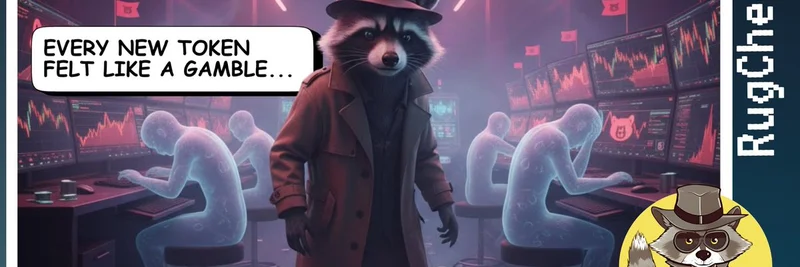
In the wild world of meme tokens, where fortunes can flip faster than a viral tweet, tools like RugCheck are becoming lifelines for traders. Recently, the team behind RugCheck shared a thread on X that dives into why their platform was born—not out of business ambition, but from real pain points in the crypto space. If you're dipping into Solana-based meme coins, this story hits close to home.
The Birth of RugCheck: From Chaos to Clarity
RugCheck started as a grassroots response to the rampant scams plaguing early token launches. As the thread explains, it wasn't about building a company at first. It was about watching friends and fellow traders get burned by "rugs"—that's crypto slang for when project creators pull the liquidity and vanish, leaving investors with worthless tokens.
The post kicks off with a stark reality: "RugCheck didn’t start as a company. It started as a reaction to seeing fellow traders lose everything. Not from greed, but from a lack of truth on-chain." On-chain refers to transparent data stored directly on the blockchain, like transaction histories or token ownership details. Without easy access to this info, traders were flying blind.
The Gamble of New Tokens
Diving deeper, the thread paints a picture of the old days (which weren't that long ago in crypto time). "Back then, every new token felt like a gamble. Scams, bad actors, silent rugs. Friends drained their wallets thinking they’d found the next big play."
This resonates especially with meme token enthusiasts. Meme coins, often launched on Solana for its speed and low fees, can skyrocket on hype alone. But that hype attracts scammers who set up shop, pump the price, and rug pull at the peak. Without verification tools, you're essentially betting on rumors and social media buzz.
The Hunt for Verification
Before RugCheck, checking a token's legitimacy was a hassle. "There was no single place to verify before pressing 'Buy.' You’d chase links, scroll explorers, trust rumors… until the rug already happened."
Blockchain explorers like Solana's own are great for raw data, but they're not user-friendly for quick scans. You'd have to dig through wallets, liquidity pools, and contract codes—time-consuming stuff that most casual traders skip. This is where meme tokens thrive on FOMO (fear of missing out), pushing people to buy first and ask questions later.
Building a Safer Space
So, what did the RugCheck team do? They built a tool to simplify it all. "So we built RugCheck. To turn chaos into clarity. Red flags into readable data. Suspicion into safety."
Now supporting Solana's Token Extensions, RugCheck scans for risks like concentrated ownership, unlocked liquidity, or suspicious transaction patterns. It's like having a detective on your side before you invest in that hot new cat-themed meme coin.
Protection Over Paranoia
The thread wraps up with a key message: "It’s not paranoia. It’s protection. Every project deserves trust. Every trader deserves a fair shot." They link to their site at rugcheck.xyz, encouraging users to check it out.
In the meme token arena, where projects pop up overnight, this ethos is crucial. Legit creators benefit from transparency, while scammers get exposed early. Tools like this level the playing field, making the space safer for everyone.
Why This Matters for Meme Token Fans
Meme tokens are fun, but they're risky. With Solana's ecosystem booming, rug pulls have cost millions. RugCheck's story reminds us that innovation in crypto isn't just about new coins—it's about building trust. If you're trading memes, integrate tools like this into your routine. Scan before you swap, and always DYOR (do your own research).
For more on meme token trends and security tips, stick around Meme Insider. We've got the latest scoops to keep your portfolio rugged-proof.