Meme Insider
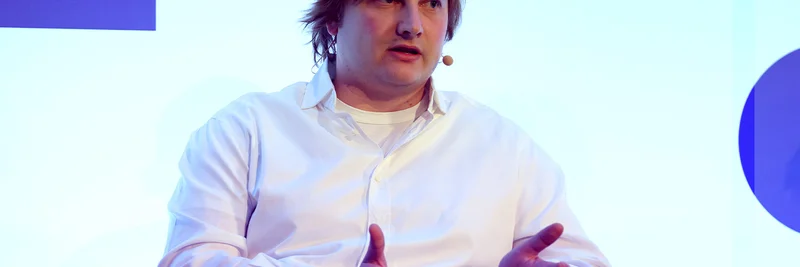
In a recent episode of The Rollup podcast, shared via this tweet, hosts Rob and Andy sat down with Stani Kulechov, the founder and CEO of Aave, during Devconnect. They dove deep into Aave's ambitious plans to bring decentralized finance (DeFi) to the masses, including the launch of Aave v4 and strategies for embedded finance. As someone who's been in the crypto trenches, I can tell you this conversation highlights why Aave is positioning itself as a powerhouse in the space—and how it could play a big role in the world of meme tokens.
First off, let's break down what Aave is for anyone new to this. Aave is a leading DeFi protocol that lets users lend and borrow cryptocurrencies without needing a traditional bank. It operates on blockchain networks like Ethereum, where smart contracts handle everything automatically. With over $50 billion in total value locked (TVL)—that's the amount of assets deposited into the protocol—Aave generates around $150 million in annual revenue, making it one of the top "banks" in the world by some metrics.
Pushing for Mainstream Adoption with the Aave App
Stani emphasized Aave's new mobile app, designed to feel like a regular banking app but powered by DeFi. It abstracts away the complexities—like managing wallets, chains, and stablecoins (digital currencies pegged to stable assets like the US dollar)—so everyday users can easily move money from their bank accounts into high-yield savings. This is huge for accessibility. Imagine earning better interest on your savings without dealing with crypto jargon.
For meme token enthusiasts, this could mean easier onboarding. Meme tokens, those fun, community-driven coins often inspired by internet culture (think Dogecoin or newer ones like PEPE), thrive on hype and quick trades. But liquidity—having enough buyers and sellers—can be a challenge. Aave's app could bring in more retail users who might dip their toes into lending meme tokens or using them as collateral, boosting overall market depth.
Embedded DeFi: Infrastructure for the Future
One of the standout points was "embedded DeFi," where Aave acts as backend infrastructure for banks and fintechs. Stani sees Aave replacing outdated banking rails with efficient, transparent on-chain systems. This could reduce costs using AI and blockchain, leading to cheaper borrowing and better risk management.
Institutions are already jumping in via Aave Horizon, which has crossed $500 million in real-world asset (RWA) collateral. RWAs are tokenized versions of traditional assets like bonds or equities. By bringing these on-chain, users get 24/7 liquidity. For meme tokens, this integration means they could eventually sit alongside RWAs in lending pools, allowing holders to borrow against their memes without selling them—perfect for riding out volatility.
Aave v4: The Liquidity Hub-and-Spoke Model
The big reveal was Aave v4, now in testnet. Unlike v3, which has siloed markets (separate pools for different assets or chains), v4 introduces a hub-and-spoke model. The "hub" concentrates liquidity, while "spokes" are customizable markets that tap into it without fragmenting funds. This segregates risk—say, keeping high-volatility meme tokens in their own spoke—while sharing deep liquidity from the hub.
This upgrade could be a game-changer for meme tokens. Many memes suffer from low liquidity, leading to wild price swings. By enabling better risk management and incentives without "renting" liquidity through emissions (token rewards), v4 might make it easier to list and trade memes on Aave. Plus, with Ethereum's focus on scalability and rollups (layer-2 solutions for faster, cheaper transactions), Aave's innovations align perfectly for handling meme token frenzy.
Reflections on DeFi Summer and the Road to 2030
Stani reminisced about the 2020 DeFi Summer—a wild time of high yields and innovation—but stressed the need for "boring DeFi" now: resilient, trustworthy systems. He warned against chasing unsustainable yields, referencing recent incidents like the EigenLayer points farming drama, and advocated for on-chain transparency over opaque off-chain deals.
Looking ahead, Stani predicts Aave's TVL will soar beyond trillions by 2030. For meme tokens, this means a more mature ecosystem where DeFi tools like Aave provide stability amid the chaos. Communities could embed Aave's lending features into their own apps, letting users borrow against meme holdings to fund projects or trades.
Why This Matters for Meme Token Fans
At Meme Insider, we're all about decoding how blockchain trends affect meme tokens. Aave's push into embedded DeFi and v4 upgrades isn't just for institutions—it's infrastructure that could fuel the next meme boom. Better liquidity means smoother pumps, easier borrowing for leveraged plays, and more ways for communities to grow without relying solely on hype.
If you're into memes, keep an eye on how protocols like Aave evolve. They might just be the backbone that takes your favorite token from joke to juggernaut. Check out the full podcast for more details, and remember: in DeFi, trust but verify—and just use Aave.