Meme Insider
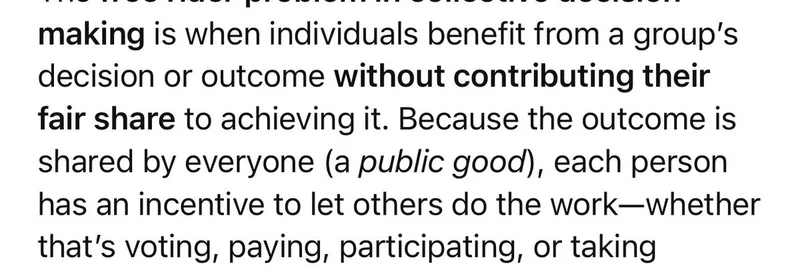
Ever feel like group decisions drag because some folks just coast along, reaping benefits without lifting a finger? That's the free rider problem in a nutshell, and it's a massive headache for decentralized autonomous organizations (DAOs). But what if we could flip the script with markets instead of votes? Enter MetaDAO, a Solana-based platform pioneering futarchy—a governance twist that's got crypto enthusiasts buzzing, especially after a recent thread highlighting its power to squash free riders.
The image above, shared in the thread by Solana DAO advocate c2yptic, nails it: In traditional collective setups, outcomes are public goods. Everyone wins if the group succeeds, so why bother contributing? You vote (or don't), pay dues (or skip), and still enjoy the perks. Over time, this erodes trust and participation, turning "equal opportunity" into demands for "equal outcome" without effort. Sound familiar in the wild world of meme tokens and community-driven projects?
c2yptic's thread dives deeper, quoting their own earlier post on how these dynamics fuel "collectivistic mind viruses." But here's the glow-up: MetaDAO's futarchy governance method. Pronounced "few-tar-key," it's a brainchild of economist Robin Hanson, now live on Solana. Forget endless proposal debates or low-turnout votes. Futarchy lets markets decide.
Futarchy 到底是什么?
Picture this: Instead of tallying votes, DAO members trade in prediction markets tied to proposals. For every idea—like updating a liquidity fee structure or launching a new feature—two markets pop up:
- Pass Market: Bets on "What if this boosts our token's value?"
- Fail Market: Bets on "What if it tanks?"
Traders put real skin in the game, buying shares in the outcome they believe in. If the pass price climbs higher than fail (say, by a set threshold like 10%), the proposal sails through. No participation? No problem—you're sidelined from the profits. It's economic incentives on steroids, aligning self-interest with the group's good.
MetaDAO makes this seamless on Solana, where speed and low fees shine. Projects like Sanctum, a liquid staking powerhouse, just adopted it fully. Their first futarchy market racked up over 200 trades in hours, proving real-world traction.
为什么它能击退搭便车问题
c2yptic 一针见血:Futarchy “有效地消除了搭便车问题的一部分。” 那种带着戏谑的 “futarded 'see you in the books'” 氛围?就是在向偷懒者宣战。在 meme 代币和社区驱动项目盛行的环境里,这一点尤其重要。参与度低会扼杀势头——想想 Discord 变成鬼城或代币发布停滞不前的场景。
有了 futarchy:
- 参与度提升:押注比走马观花的投票更能吸引人。早期支持者和精明的交易者会积极入场,比如 Dean’s List DAO 在一次手续费调整中,20 笔交易累计成交量达到 $398K。
- 更聪明的结果:市场能更好地聚合信息,胜过民意调查。预测市场在选举预测上屡屡超越专家,甚至在像橙汁产量这类天气押注上也表现出色。
- 抗 meme 干扰的韧性:那种带有玩笑色彩的“futarded” 行话反而增添趣味,把治理变成一种游戏。对追求病毒式传播的 meme coins 来说,这可能意味着决策真正能推动价值,而不仅仅是空喊口号。
当然,它并非十全十美。流动性障碍和 oracle 风险依然存在,但 MetaDAO 的设计——例如最低流动性锁定和三天提案窗口——能在很大程度上遏制垃圾提案。
与 Meme 代币及更广领域的关联
在 Meme Insider,我们致力于解读 meme 代币的混沌魅力。Futarchy 非常契合这一点:想象一个以狗为主题的 DAO,不再靠氛围投票决定营销走向,而是在“是否发起一场爆炸性营销”活动上开设市场,让社区用押注来决定。它把智慧民主化,让 whales 和 degens 都能押注于他们认为最优的方案。随着 Solana 生态升温,这类工具可能重塑我们的构建和治理方式——摆脱搭便车者,充满 futarded 的激情。
If you're knee-deep in Solana DAOs or eyeing meme plays with real utility, check out MetaDAO's docs to spin up your own market. What's your take—ready to bet on beliefs over ballots? Drop thoughts below; let's futarch this convo.